How Much Does Event Production Cost?
A Realistic Guide for Event Planners
Learn what drives event production costs, typical budget ranges, and how to maximize your investment. A practical guide for corporate and nonprofit event planners.

UpLight Technologies
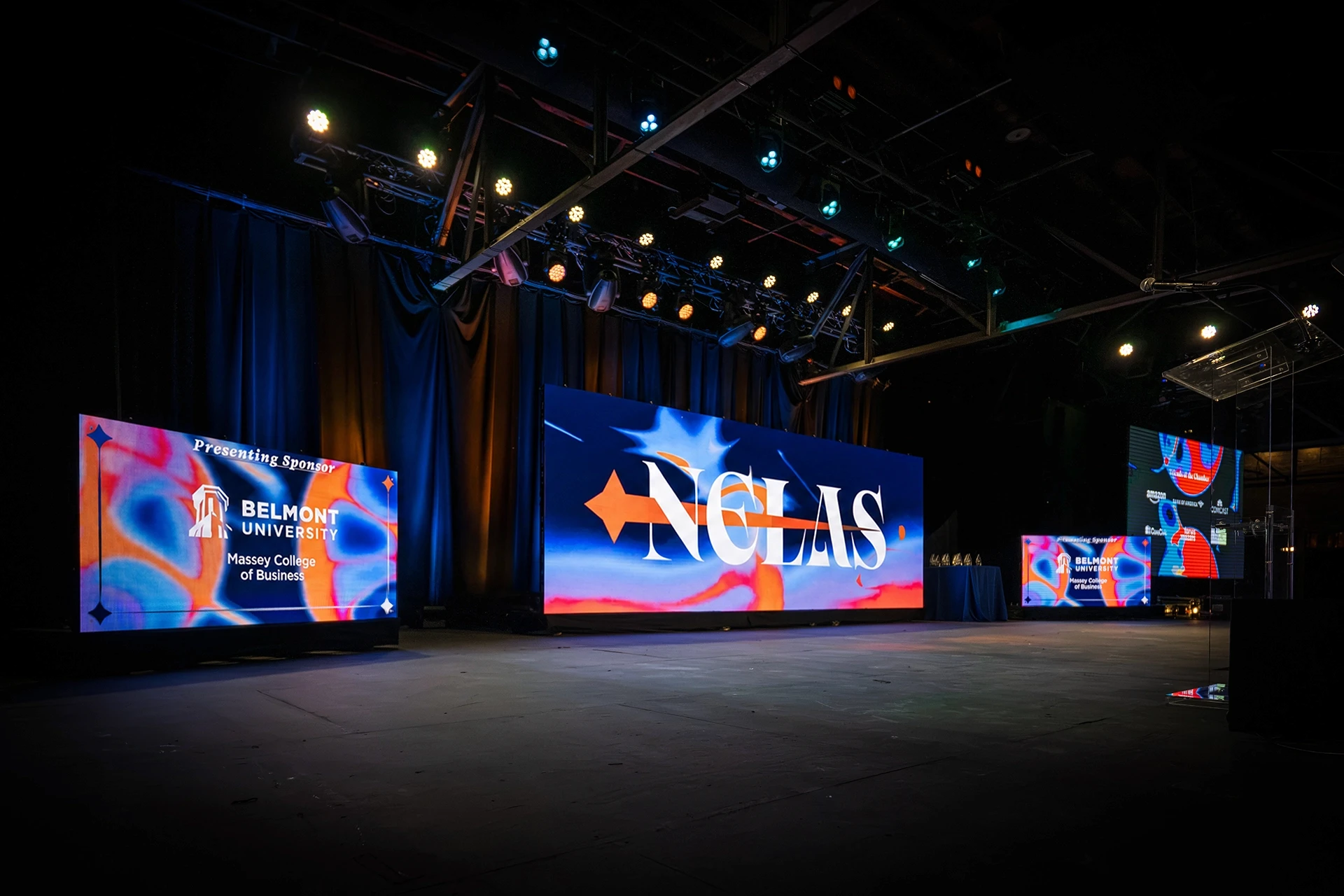
One of the first questions event planners ask is also one of the hardest to answer: “How much does event production cost?”
The answer is $500–$500,000. We know that’s not very helpful, but event production is highly customized and depends on your specific needs.
Every event has different goals, audiences, venues, timelines, and technical requirements. A 50-person panel discussion requires a very different approach than a 500-person nonprofit fundraiser. A 100-person leadership summit is vastly different from a 2,500-person product launch or a 10,000-person sporting event.
After more than 35 years producing events of all sizes, we’ve learned that understanding what drives production costs is far more valuable than focusing on a single number. Let’s break down what production includes, what influences pricing, and how to maximize your budget while creating an exceptional experience.
What Is Included in Event Production?
Many people assume event production simply means a couple of microphones, speakers, and a few lights. Sometimes that is all that’s required for a DIY-type situation. In reality, production often requires a wide range of services working together to create a seamless experience.
Power systems and distribution
Audio systems
Lighting design
Video displays and projection
LED video walls
Scenic elements and stage design
Rigging
Event management and technical direction
Show calling
Content creation and playback
Cameras and video switchers
Live streaming and recording services
Labor and technical staffing
The scope of these services will inherently affect the overall cost.
The Biggest Factors That Influence Event Production Costs
1. Event Size
A meeting for 100 attendees requires significantly different resources than a conference for 2,000 guests. As attendance grows, production requirements typically increase.
Larger audio systems
Additional video displays
More lighting fixtures
Expanded staffing
Additional rigging and infrastructure
Larger audiences require more resources to ensure every attendee has a consistent experience.
2. Venue Requirements
A hotel ballroom with built-in rigging points and adequate power may require less infrastructure. A convention center, arena, outdoor venue, or unique event space may require additional equipment, labor, and logistics.
Size of the space and ceiling height
Rigging availability
Power access
Load-in restrictions
Venue labor requirements
Distance from loading areas
Two events with identical attendance can have dramatically different costs simply because of the venue.
3. Audio, Lighting, and Video Complexity
As technical complexity increases, production investment increases as well. Basic needs may include a podium microphone, presentation screen, and general room lighting.
More advanced events may include:
Multiple projection screens
LED video walls
Custom stage lighting
Large-format audio systems
Artist and entertainment support
Live cameras
Broadcast-quality video streaming
4. Scenic and Event Design
Custom scenic design can create the biggest visual impact. It may include branded stage environments, fabric structures, set pieces, digital content integration, and environmental design elements. Thoughtful design transforms a functional room into a memorable event.
5. Labor and Technical Expertise
Equipment needs to be assembled on-site and competently operated. Successful events rely on experienced professionals managing audio, lighting programming, video playback, cameras, rigging, technical direction, and show execution. The expertise of the production team often has a greater impact on event success than the equipment itself.
Typical Event Production Budget Ranges
While every event is unique, these general ranges can help establish expectations.
Small Corporate Meetings
50–150 attendees. Production budgets often range from $5,000–$15,000.
Basic audio
Projection
General stage lighting
Limited scenic elements
Mid-Size Conferences and Meetings
200–800 attendees. Production budgets often range from $15,000–$75,000+.
Professional audio systems
Multiple screens or LED video walls
Immersive lighting
Event management
Scenic design
Video playback
Large Conferences, Competitions, and General Sessions
1,000+ attendees. Production budgets may range from $75,000 to several hundred thousand dollars or more.
Large-format video systems
Custom staging
Extensive lighting packages
Camera systems
Technical direction
Significant labor and logistics
These are broad ranges. The specific goals of the event matter more than attendee count alone.
How to Get the Most Value From Your Budget
Bigger budgets do not automatically create better events. Successful events are driven by intentional design and an experienced team.
Start Planning Early
Early planning creates more options and time to explore creative solutions, coordinate vendors, negotiate contracts, avoid rush fees, and optimize logistics.
Focus on Audience Impact
Ask what attendees will actually remember. Great storytelling, strong visuals, excellent audio, and thoughtful design frequently create more impact than simply adding more equipment.
Invest in Professional Guidance
Experienced production teams can identify opportunities to improve outcomes while controlling costs. Sometimes an adjustment in design or event space has a greater impact than a significant budget increase.
Prioritize What Matters Most
Not every element deserves equal investment. For one event, video may be the priority. For another, lighting and atmosphere may create the greatest value. Align spending with event objectives.
Why the Lowest Bid Isn’t Always the Best Value
Event production is not a commodity. Two proposals with similar budgets may offer vastly different levels of service, planning, expertise, and support.
The real question isn’t “What does it cost?” The better question is “What value am I receiving for this investment?”
The right production partner helps you avoid costly mistakes, anticipate challenges, and create an experience that supports your goals. That value extends far beyond the equipment listed on a proposal.
Final Thoughts
Event production costs vary because events themselves vary. Every audience, venue, and objective is unique. The most successful events are not defined by how much money is spent, but by how effectively production supports the experience you want attendees to have.
At UpLight Technologies, we’ve spent more than three decades helping organizations create memorable events that align their goals, budgets, and vision. Whether we’re supporting a local corporate meeting or a national competition, our focus remains the same: delivering experiences that matter and building partnerships that last.
If you’re beginning to plan an event and wondering what production investment makes sense for your goals, we’d be happy to have a conversation.
AVL In-Depth
Let’s break down the elements within each category to give you a better feel for what’s included.
Audio
Audio is often underestimated, yet it is one of the most critical elements of audience experience. Poor sound immediately damages audience engagement.
Speaker systems — line arrays, front fills, delay speakers, subwoofers, stage monitors, and in-ear monitors
Wireless microphones and antenna distribution — handheld, lapel, and headset systems
RF coordination — prevents interference between wireless microphones and communications
Mixing consoles — balance microphones, playback, audience, artist, broadcast, and recording mixes
Playback devices — tablets, presentation computers, media servers, and music players
Comms/intercom — wired and wireless crew communication systems
Audio recording — keynote and breakout capture for streaming or archive
Backline and artist support — instruments, amplifiers, drums, keyboards, and artist equipment
Audio personnel — FOH engineers, monitor engineers, RF technicians, and patch technicians
Complexity increases significantly when live music, broadcast feeds, or multiple presenters are involved.
Lighting
Lighting impacts atmosphere and professionalism. A fully designed show environment creates visibility, mood, composition, and setting. Great lighting transforms a space into an experience.
Static fixtures — Fresnels, ellipsoidals, LED washes, and cyc lights
Dynamic fixtures — moving washes, spots, and beams that add motion and texture
Special-purpose fixtures — followspots, pixel bars, strobes, blinders, UV fixtures, and lasers
Atmospherics — haze, fog, and dry ice
Architectural lighting — uplighting, pin spots, and venue accents
Decorative lighting — mirror balls, chandeliers, lamps, candles, and neon
House and audience lighting
Broadcast-friendly key lighting designed for cameras and accurate color
Timecoded sequences synchronized to video, music, walk-ons, and reveals
Lighting personnel — designers, programmers, directors, operators, and technicians
Creative lighting design can completely transform how an audience experiences a space.
Video
Video has become central to modern event production and is the primary way to convey branding and information. High-resolution LED displays and broadcast workflows can significantly affect budget ranges.
LED walls arranged into custom shapes and sizes
Projectors and projection screens for playback, presentations, and IMAG
Robotic, handheld, and broadcast cameras
Video switchers for cameras, playback, and presentations
Media playback systems and graphics computers
Graphics packages including logos, titles, lower thirds, countdowns, and branding
Video distribution to screens, confidence monitors, overflow rooms, streams, and recordings
Livestreaming encoding and streaming hardware
Confidence monitors for slides, notes, countdowns, and remote participants
Teleprompters for scripted presentations and keynotes
Video personnel — engineers, playback operators, camera operators, graphics operators, and streaming engineers
Video often has the greatest impact on both audience engagement and production budgets, making thoughtful system design essential to maximizing impact without unnecessary expense.
https://gearsource.com/listings/6a7cb295-537b-4dce-b1b6-7302711fd6d6
More ARTICLES.
Explore our collection of insights, from quick, actionable tips to in depth explorations of design, development, and the evolving world of live production.


